Barossa Valley Wine Tasting: Grapes, Eden Valley and What Your Fare Pours
A Barossa wine day is really a string of tastings at cellar doors. Each one sets its own fee, and your fare either covers them or leaves them to you. Weighing up Barossa Valley wine tasting tours? Know what you will pour and who pays for it before you pick a day.
The grapes the Barossa pours
You will taste reds first and last here. Tourism Australia describes the region as known for rich reds and fortified wines, with more than 150 wineries and 80 cellar doors. These are the names you will see on the tasting sheets.
- Shiraz:
- The red most visitors come for. Tourism Australia puts it first in its list of old vines still producing here, and the Barossa's reputation rests on rich reds like it.
- Grenache:
- Also on that list of old, still-producing vines. Chateau Tanunda sells a Grenache from vines it describes as 150 years old, so ask for it at the tasting bar.
- Mataro:
- The name the Barossa uses for the grape France calls Mourvèdre. It turns up on its own and in blends with Grenache and Shiraz.
- Cabernet Sauvignon and Semillon:
- The other two varieties on Tourism Australia's old-vine list: a red that often fills out a blend, and a white.
- Riesling:
- The white to ask for in the cooler, higher Eden Valley next door.
- Fortified wine:
- Tawny and other fortifieds are the region's second reputation, and Seppeltsfield's cellars hold the best-known of them.
Barossa Valley and Eden Valley: two regions, one zone
The word “Barossa” covers more than one valley. Wine Australia's register of geographical indications lists a Barossa zone with two regions inside it: the Barossa Valley, where most tours spend the day, and Eden Valley on the higher ground to the east. High Eden is a subregion of Eden Valley.
| Barossa Valley | Eden Valley | |
|---|---|---|
| Official status | A region in the Barossa zone | A region in the Barossa zone |
| Subregion | None registered | High Eden |
| What you pour | Shiraz, Grenache, Mataro, fortifieds | Riesling, and reds from higher ground |
| On the tours | Almost every stop | The edge of it at Yalumba, Angaston |
For you, the difference is mostly in the glass. If you want Riesling, ask the host whether a wine comes from Eden Valley fruit. Several Barossa Valley cellar doors pour both.
Old vines: what the age on the label tells you
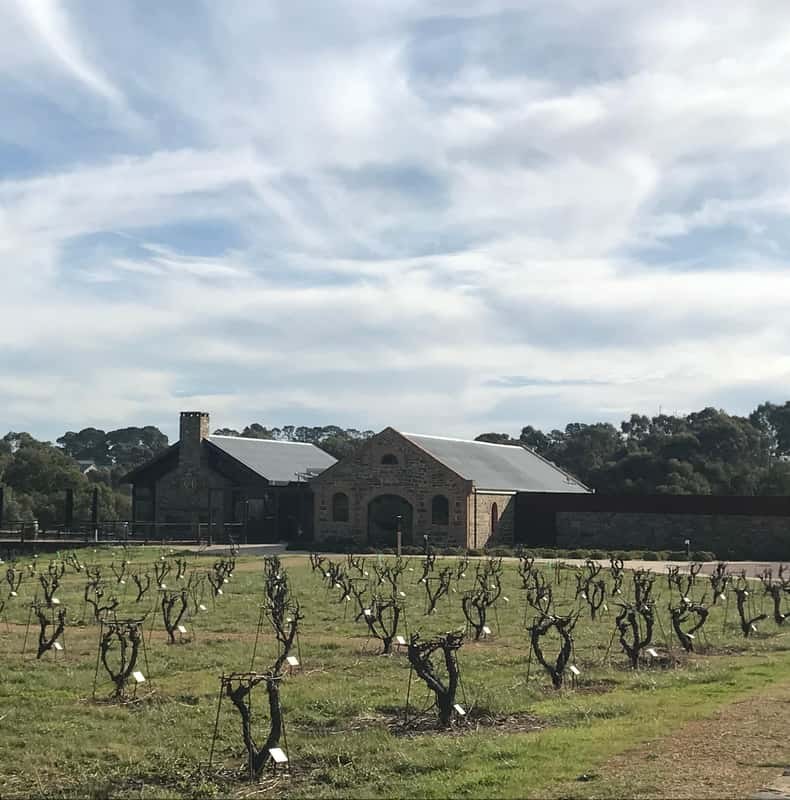
You will hear a lot about old vines. The Barossa's early settlers planted in the 1840s, and Chateau Tanunda's first vineyards date from 1843, on the site of the valley's first winery. Tourism Australia says the region holds the world's oldest continuously producing vines of five varieties, Shiraz among them.
An old vine gives less fruit, and winemakers prize it for concentration. When a label names a vine age, ask the host where the block is. Some cellar doors will point to it from the verandah. Age classes and certification schemes are set by the region's wine body, and you can ask about them at any tasting bar.
What a tasting costs, and which tours include it
Every cellar door sets its own tasting fee, and it can change with the wines on the list. So the cheapest fare is not always the cheapest day. Read the second column before you compare prices: a fare with the tastings in it has already paid for every pour on the route.
| Tour | Tasting fees | Lunch | Where it starts |
|---|---|---|---|
| Barossa tastings and Hahndorf from Adelaide | In the fare | In the fare | Pickup in Adelaide city or Glenelg |
| Winemakers' sheds, eight guests at most | In the fare | In the fare | Door-to-door pickup within 3 km of Adelaide city, Glenelg or the Barossa Valley |
| Four tastings and lunch from Stamford Plaza | In the fare | In the fare | Stamford Plaza, North Terrace, Adelaide |
| E-bike day from Yalumba, Angaston | In the fare | In the fare | Yalumba cellar door, 40 Eden Valley Road, Angaston (9:00) |
| Tastings, platter lunch and chocolate from Adelaide | In the fare | In the fare | Pickup from more than 50 points in Adelaide city and Glenelg |
| Six guests at most, from Barossa accommodation | In the fare | In the fare | Pickup from your accommodation in the Barossa Valley (tour starts 10:00) |
| Hahndorf first, then the Barossa, with lunch | In the fare | In the fare | Stamford Plaza, North Terrace, Adelaide |
| Private day from your Adelaide hotel | In the fare | In the fare | Pickup from your Adelaide accommodation (tour starts 9:15) |
| Private day for up to four, from Barossa accommodation | In the fare | In the fare | Pickup from your accommodation in the Barossa Valley (tour starts 10:00) |
| Six guests at most, restaurant lunch | In the fare | In the fare | Pickup from your Adelaide city accommodation (about 9:15) |
| Hop-on hop-off bus from Adelaide or Tanunda | Paid at each venue | Not included | Stamford Plaza, 150 North Terrace, Adelaide (9:30) or Barossa Visitor Centre, 66-68 Murray Street, Tanunda (10:50) |
| Small group with a lunch platter, tastings paid on the day | Paid at each venue | In the fare | Door-to-door pickup in Adelaide city, Glenelg or the Barossa Valley |
| 1966 Mustang convertible for two | Not stated | Not included | 18-28 Tanunda Road, Nuriootpa, or pickup anywhere in the Barossa Valley |
| Trike ride for two | Not stated | Not included | Provenance front car park, 18-28 Tanunda Road, Nuriootpa, or pickup from selected Barossa hotels |
Want the tastings paid before you arrive?
Each card says whether the tasting fees are in the fare, and where the day starts.
Fortified wine and the Seppeltsfield tawny
Fortified wine is the Barossa's second story. Seppeltsfield, established in 1851, keeps a Centennial Cellar, and its signature tasting pours the 100 Year Old Para Vintage Tawny. Its cellar door says bookings are essential, so book that tasting yourself if it matters to you.
You meet fortifieds on the tours too. The day with a platter lunch and chocolate pairs a Yalumba fortified with Melba's chocolate. Several Adelaide days stop at or pass the Seppeltsfield estate. Which day goes where is on Barossa Valley vineyards and wineries.
Tasting etiquette at a cellar door
Nobody expects you to finish a glass. You are there to compare wines, and the host will guide you through them in order.
- Taste in order. Let the host pour whites before reds and fortifieds last.
- Use the spittoon. Spitting and tipping out a glass are normal at a cellar door.
- Drink water between stops. Most of these days put bottled water in the fare.
- Eat before the third stop. Check your card: lunch is in most fares, not all.
- Ask before you buy. Find out whether the cellar door ships bottles, and where to.
The drive home after a tasting
This is the reason most visitors book a tour. South Australia enforces a blood alcohol limit, and four or five tastings over a day add up faster than they feel. If you drive yourself, the driver does not taste. If nobody wants that job, book a seat or a taxi.
The age rule matters too. Many tasting days are for adults 18 and over, and the card shows the age limit where the tour sets one. A few days take younger guests, who ride along but do not taste.
Wine tasting questions
What wine is the Barossa Valley known for?
Is Eden Valley part of the Barossa?
Do all Barossa wine tours include the tasting fees?
Can you drive yourself to Barossa cellar doors?
Next: find the estates on Barossa Valley vineyards and wineries, pick a season on when to visit the Barossa Valley, or compare every day out on Barossa Valley Tours.